Sardinia off-season: what to see and what to do in winter
Entertainment - 16 March 2026
Sardinia is not just about summer seas and crowded beaches. Visiting Sardinia in winter means discovering a more authentic, quieter, and surprisingly beautiful island. It is the time of year when the landscape breathes, villages return to their true rhythm, and time slows down.
If you’re wondering what to do in Sardinia in winter, the answer is simple: far more than you might expect.
What is winter like in Sardinia? Climate and practical tips
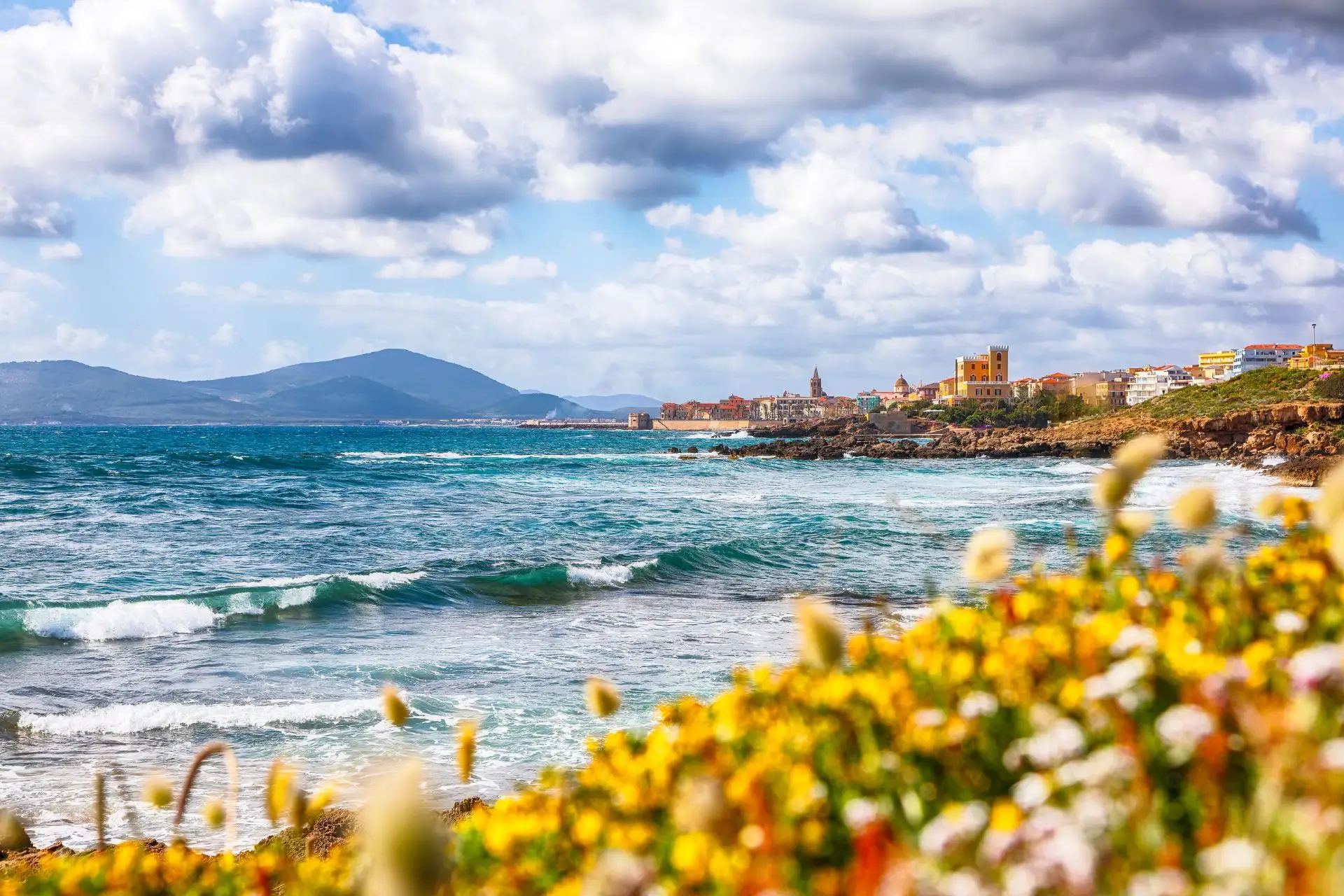
Winter in Sardinia is generally mild, especially along the coast, where temperatures typically range between 10°C and 18°C (50°F–64°F). January and February are the coolest months, but even in the heart of winter, sunny days are frequent, with clear skies and bright light that enhances the landscape.
In the northwest, the wind can be strong at times, yet it helps keep the air crisp and the views remarkably clear. Moving inland toward the Gennargentu mountain range, the climate becomes colder, and snowfall is not uncommon, a surprising sight for a Mediterranean island that reveals a completely different face compared to its summer image.
What to Pack:
- A windproof jacket,
- Lightweight sweaters for layering,
- Comfortable walking or hiking shoes,
- Sunglasses (the light remains intense).
From a logistical perspective:
- Ferries operate year-round,
- Airports in Cagliari, Olbia, and Alghero remain active,
- Accommodation and transport are generally more available and often more affordable.
Those who wonder “What is Sardinia like in winter?” should imagine it in its most authentic dimension—the one that emerges when the island returns to those who truly live it.
What to see in Sardinia in winter: ideal places off-season
The island changes from north to south, and each area offers different experiences during winter, from windswept coastlines to mountain villages and sunlit cities overlooking the sea.
Northern Sardinia: nature and silence
In the north of the island, Stintino, Alghero, and Castelsardo take on a completely different atmosphere.
In Stintino, you can walk along La Pelosa beach almost deserted, hike up to Capo Falcone without crowds, and admire intense sunsets over Asinara Island.
In Alghero, you can explore the historic center at a relaxed pace, stroll along the sea-view bastions, and hike Capo Caccia in ideal temperatures.
Castelsardo, with its medieval hilltop village, is perfect for those looking for places to see in Sardinia in winter without the summer chaos.
Central Sardinia: Barbagia and Gennargentu
In central Sardinia, the Barbagia region is highly recommended.
Here you’ll find:
- authentic villages such as Orgosolo and Mamoiada,
- living traditions,
- and mountain landscapes that are often dusted with snow.
The Gennargentu mountains offer scenery completely different from the coast: forests, rocky ridges, and crystal-clear air.
Winter is the best time to discover Sardinia’s most identity-driven and traditional side, far from beach tourism.
Southern Sardinia: culture, cities, and nature
Cagliari is one of the best answers to the question of where to go in Sardinia in winter.
During the colder months, you can:
- explore the Castello district without excessive heat,
- walk along the Bastions at sunset,
- and visit museums and archaeological sites in peace.
The southwest, between Iglesias and the former mining coast, is also ideal off-season for panoramic excursions without extreme temperatures.
Activities and experiences to discover Sardinia off-season
Far from summer tourism, off-season Sardinia offers activities and experiences that allow you to live the island in a more authentic way, through nature, wellness, traditions, and flavors that reveal their full intensity in winter.
Trekking and scenic walks
Winter is the ideal season for hiking in Sardinia. Mild temperatures and the absence of crowds make coastal treks, natural park excursions, and walks along sea-view promontories especially enjoyable.
Among the most evocative areas is Asinara Island, where the National Park offers itineraries immersed in wild and silent landscapes. Reachable by ferry from Stintino, the trail between Cala Reale and Cala d’Oliva crosses dirt paths, open sea views, and stretches where you may encounter the island’s iconic white donkeys, a contemplative experience far removed from any noise.
Just a few kilometers away, the Capo Falcone trail offers one of the most iconic views in northern Sardinia. The well-marked and accessible path winds through rocks and Mediterranean scrub, overlooking La Pelosa and Asinara, with wide, luminous panoramas especially beautiful at sunset.
Near Alghero, the loop trail to Torre della Pegna at Capo Caccia runs along dramatic cliffs and natural terraces suspended over the sea. Here the landscape becomes more vertical and scenic, offering breathtaking views that remain accessible even in winter.
In the island’s southwest, the Sulcis trails cross lesser-known territories, weaving through former mining areas, Mediterranean forests, and untouched coastal stretches, perfect for those seeking a more solitary hike where nature and history intertwine.
Walking in Sardinia off-season means truly stepping into the landscape, without haste or distraction.

Spa and wellness
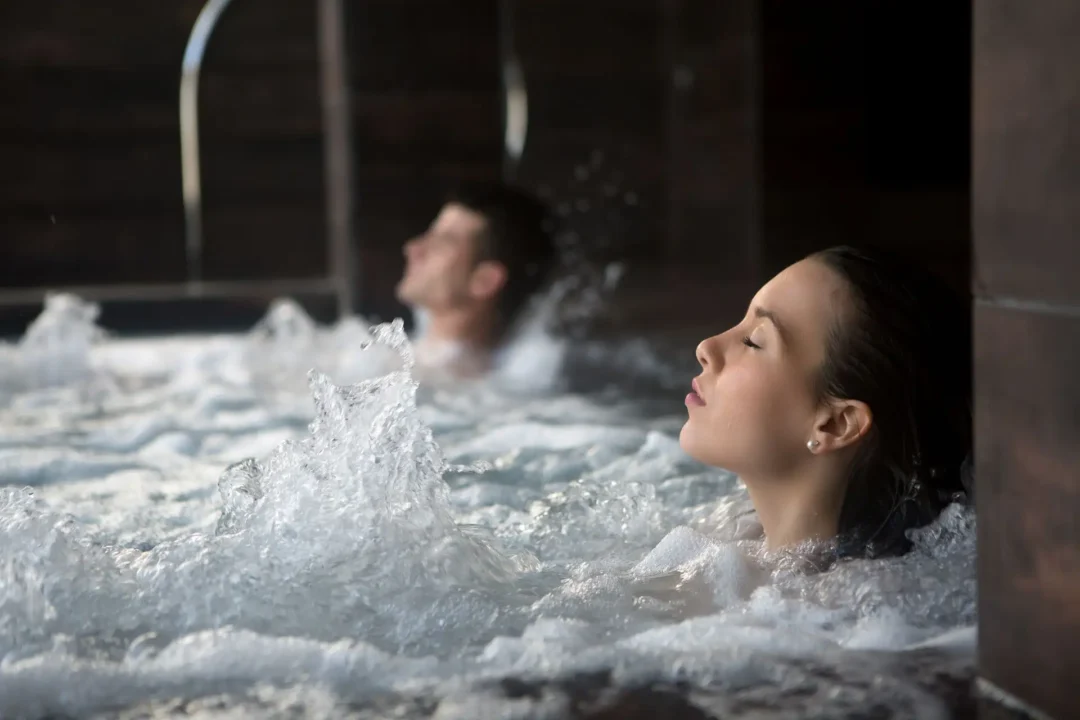
In winter, Sardinia is also perfectly suited for wellness. Many facilities remain open year-round, offering heated thermal pools, spa circuits, and restorative treatments. The contrast between crisp air and warm water makes the experience even more enjoyable, especially on clear and quiet days.
Among the most well-known options:
Sardegna Termale – Fordongianus (Oristano)
Located along the Tirso River, in the ancient Roman site of Forum Traiani, Sardegna Termale uses natural springs that flow at over 50°C (122°F). In addition to outdoor thermal pools, it offers wellness paths and therapeutic treatments linked to the sulphurous properties of the waters.
Approximate daily entry: €20–30 (depending on services included).
Terme di Sardara – Sardara (Southern Sardinia)
Terme di Sardara is one of the island’s most renowned spa facilities, located about an hour from Cagliari and surrounded by greenery. The complex includes indoor and outdoor thermal pools, wellness circuits, relaxation areas, and treatment centers.
Approximate spa entry: €35–50 per person, depending on the chosen package.
Food, wine, and traditions
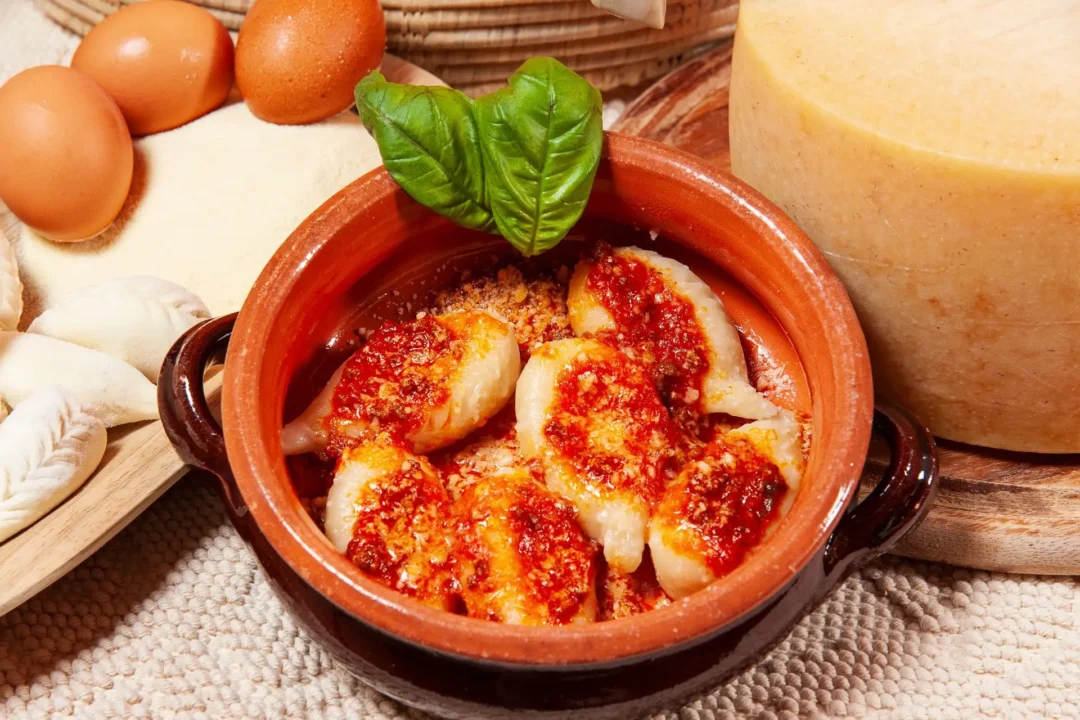
Winter is the best time to experience Sardinia through its food.
You can:
- Book wine tastings at wineries,
- Visit traditional agriturismos,
- Take part in seasonal festivals and local celebrations.
It is the time of year when the cuisine is not adapted to tourism, but remains deeply rooted in tradition.
If you are looking for a restaurant where you can taste traditional dishes, you will find many interesting options here.
Sardinia off-season: why it’s truly worth it
Visiting Sardinia off-season means:
- Saving on accommodation and transport,
- Avoiding traffic and queues,
- Finding parking easily,
- Speaking with locals more calmly,
- Experiencing the territory at a slower pace.
It is not a “reduced” Sardinia, but a different one. The light is softer, the colors deeper, and the silence more profound.
Where to stay in Sardinia in winter
In winter, choosing the right accommodation becomes even more important.
Selecting a quiet base immersed in nature yet close to major scenic points allows you to experience the island at a more mindful rhythm.
An independent villa in the northwest, near Stintino, such as Villa Flor, allows you to:
- Set off for a seaside walk without traffic,
- Return to complete silence,
- Enjoy sunset even in the heart of winter,
- Experience the home as an intimate and private retreat.
Sardinia in winter is not a stopover destination. It is a place to inhabit slowly.
Sardinia in winter: a more authentic island
Sardinia does not ask to be experienced only in summer. In fact, it is precisely off-season that it reveals its truest self.
Between sea, wind, villages, and wild nature, winter restores the island’s deepest dimension.
And for those seeking a less predictable experience, Sardinia off-season may become the most surprising discovery of the year.